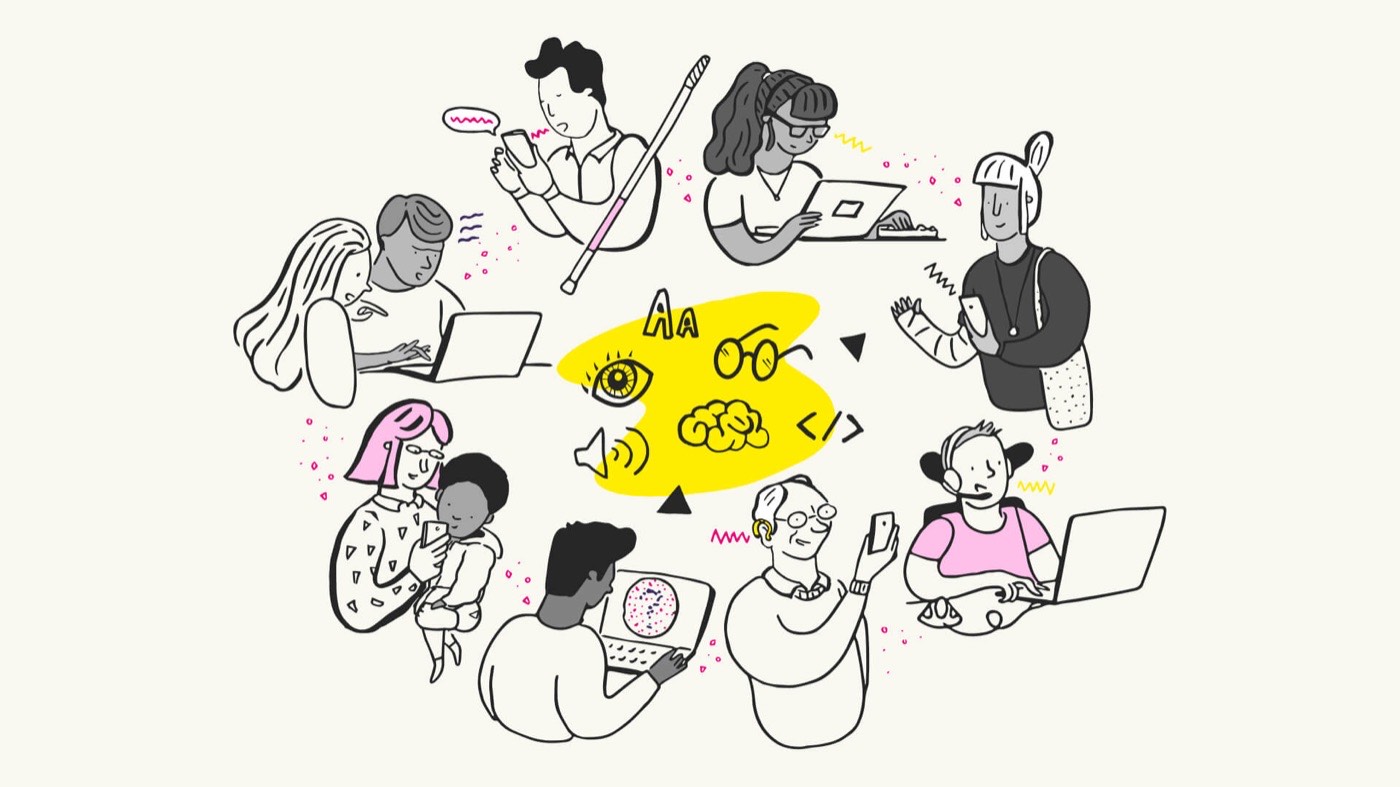
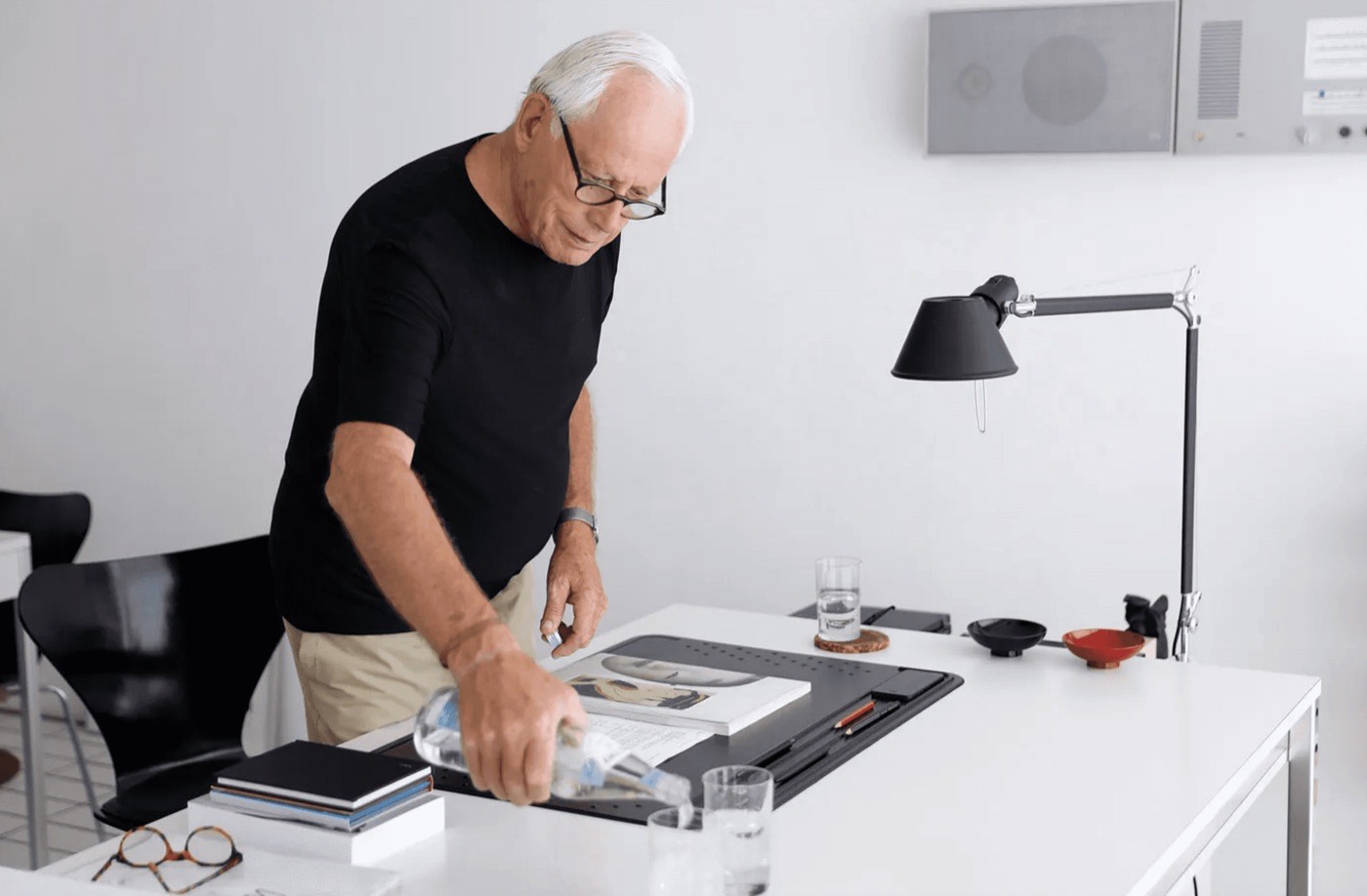
In the world of Design, mastering fundamental principles is crucial for every designer’s career. We are familiar with Dieter Rams’ Ten Principles for Good Design and his unobtrusive approach and belief in the “less, but better” approach, which significantly influenced 20th-century aesthetics and culture. This article aims to clarify and explain rule number five in a way that is easier to understand from the author’s perspective.
Understanding Unobtrusive Design
in 21th-century, we often encounter designers who prioritize flashy, attention-seeking designs. Some may assume that Apple, with its numerous impressive industrial designs, leads this trend. However, behind their eye-catching designs lies a ton of effort devoted to ensuring a seamless experience for their clients.
For instance, the iMac G3 — the magic Bondi blue box that introduced Apple’s all-in-one computer — represents Unobtrusive Design at its finest, encompassing key principles such as Seamless Integration, Minimalism, User-centric Approach, Subtle aesthetics, Functionality First, Emotional Connection, and last but not least, Timelessness.
Seamless Integration, Minimalism, User-centric Approach, Subtle aesthetics, Functionality First, Emotional Connection, and Timelessness.
- Key elements of Unobtrusive Design
Applying this principle to your process
User center First
Putting the user first in unobtrusive design is undoubtedly more challenging than a flashy one. Achieving unobtrusiveness involves enhancing user experiences by seamlessly blending products into their routines, ensuring intuitive usability. This requires learning from competitors, introducing innovations, and gradually attracting users’ attention.
Define a Design Strategy
Choosing a suitable design strategy at the beginning of the design phase is crucial for the success of a product. Just as constructing a house or office requires different structures, your design style and system should be chosen thoughtfully, considering the product’s specific needs. For an agency web, considering a trendy style may be appropriate, while for dashboard design, opting for a neutral and popular style could prove beneficial.
Balancing Aesthetics and Functionality
While aesthetics play a significant role in modern design, functionality remains the most important aspect. Learn from examples like Google Maps, which assists users in finding locations, or a banking app that facilitates a smooth banking transaction flow, to ensure that the design aligns with users’ primary objectives. No matter what visual appearance you aim to impress upon users, prioritizing their needs and supporting them in accomplishing their goals should be the primary focus.
Designing for Diverse contexts
Google Maps has achieved widespread popularity due to its ease of use. Users do not need extensive user guides in various languages to navigate and utilize its features effectively.
As a successful designer, it’s essential not to challenge your customers with complex or confusing designs. Instead, focus on gaining a deep understanding of their needs, preferences, and habits. By empathizing with your users and creating designs that cater to their desires, you can ensure a seamless and enjoyable user experience that leaves a lasting positive impression.


Acknowledging the Unseen Efforts
Designers should recognize that users rarely appreciate the intricate efforts invested in crafting unobtrusive designs. They don’t necessarily know the designers or their contributions, but they do appreciate the seamless experience and usability. Unobtrusive design may go unnoticed, but its impact remains profound.
Most Apple users nowadays may not be familiar with Jony Ive, a British industrial and product designer who played a pivotal role in designing iconic products such as the iMac, Power Mac G4 Cube, iPod, iPhone, iPad, and MacBook, along with parts of the user interface of Apple’s mobile operating system iOS, among others.
Despite his significant contributions and the efforts of every developer at Apple, many users are unaware of Jony Ive’s contributions. However, this lack of awareness doesn’t diminish their love for Apple products. Users appreciate and enjoy using Apple products due to their unobtrusive design, which has become a hallmark of Apple’s philosophy. The focus on creating seamless and intuitive experiences resonates with users and fosters their loyalty to the brand.
Conclusion
Unobtrusive design is challenging to learn. It requires a broad spectrum of design knowledge, from visual to user experience design. Rather than seeking user appreciation, designers find fulfillment in ensuring that their creations seamlessly serve users, enriching their lives in subtle and meaningful ways. Unobtrusive design is about making the world a better place, one seamless interaction at a time.