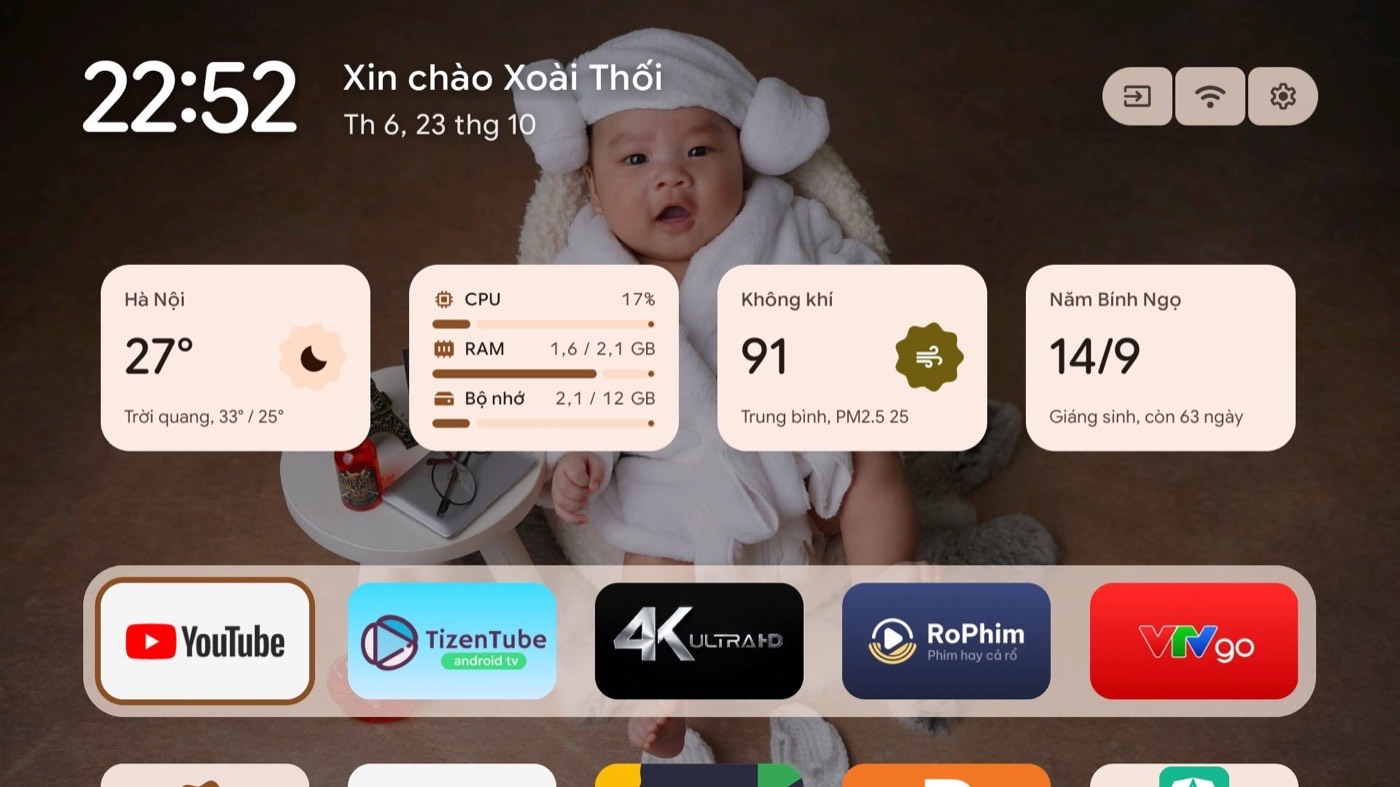
What’s interesting is not just that AI can help older devices perform better, but the bigger question it raises: If users can actively modify software to suit their needs, will they still want to accept an interface designed for everyone?
From Content Personalization to Interface Personalization
We are already familiar with platforms like Pinterest and Facebook personalizing content based on our behavior and interests. But much of this personalization is still controlled by algorithms. Users can influence what they see, but they have limited control over how the interface itself is organized and functions.
Imagine being able to ask AI to transform Pinterest into a more minimalist fashion discovery space—one that focuses on the images and styles you care about while hiding elements you don't need.
Or imagine using AI to reorganize your banking app’s home screen around your habits: putting transfers, bill payments, and transaction history front and center instead of following the default layout designed by the product team.
AI could make these possibilities much easier to achieve. Rather than waiting for developers to change the product, users could simply describe what they want and let AI help turn those requests into a working interface.
Of course, not everything should be customizable. Users might be able to organize their banking app’s home screen, but transaction confirmation and security flows need to remain consistent, understandable, and predictable. The freedom to personalize should come with thoughtfully designed boundaries.
So, How Will the Role of Designers Change?
For years, one of the designer’s key responsibilities has been to find the most suitable interface for a target user group. The process typically moves from research to design, testing, handoff, and finally development.
But as AI makes interface creation and prototyping easier, the value designers bring may begin to shift. Their job will no longer be just about creating a good design. They will also need to determine what should be customizable, what should remain standardized, and where the boundaries should be.
This also raises the bar for design judgment—the ability to evaluate quality, choose the right solution, simplify experiences, and balance user needs with product goals.
The design process itself may gradually evolve from a relatively linear sequence into a more continuous loop:
Define the Problem → Prototype → Validate → Iterate → Ship.
In this context, designers may need to do more than create a finished interface. They may need to design an entire system of components, rules, and constraints that allows users to shape their own experiences without compromising consistency, accessibility, or safety.
There is another question worth considering: if users can remove ads or change what platforms prioritize showing them, how might this affect the business models of ad-supported products? Will we see more paid, ad-free options, or will entirely new business models emerge?
These outcomes are far from certain, but they are worth considering as control over software gradually shifts toward users.
Could User-Driven Interface Become a New Concept?
I’m tentatively calling this approach User-Driven Interface (UDI)—an interface that users can actively shape, with AI potentially serving as the bridge between what they want and what can actually be built.
For now, this is a proposed concept rather than an established industry term. But as AI continues to lower the barriers to modifying software, the idea behind it may become increasingly practical.
If we have traditionally focused on designing the best possible interface for users, will the future be about designing systems that allow each person to shape an interface that works best for them?
And if this becomes possible in the near future, could User-Driven Interface emerge as a new approach to digital product design—or will it simply be the next evolution of experience personalization?