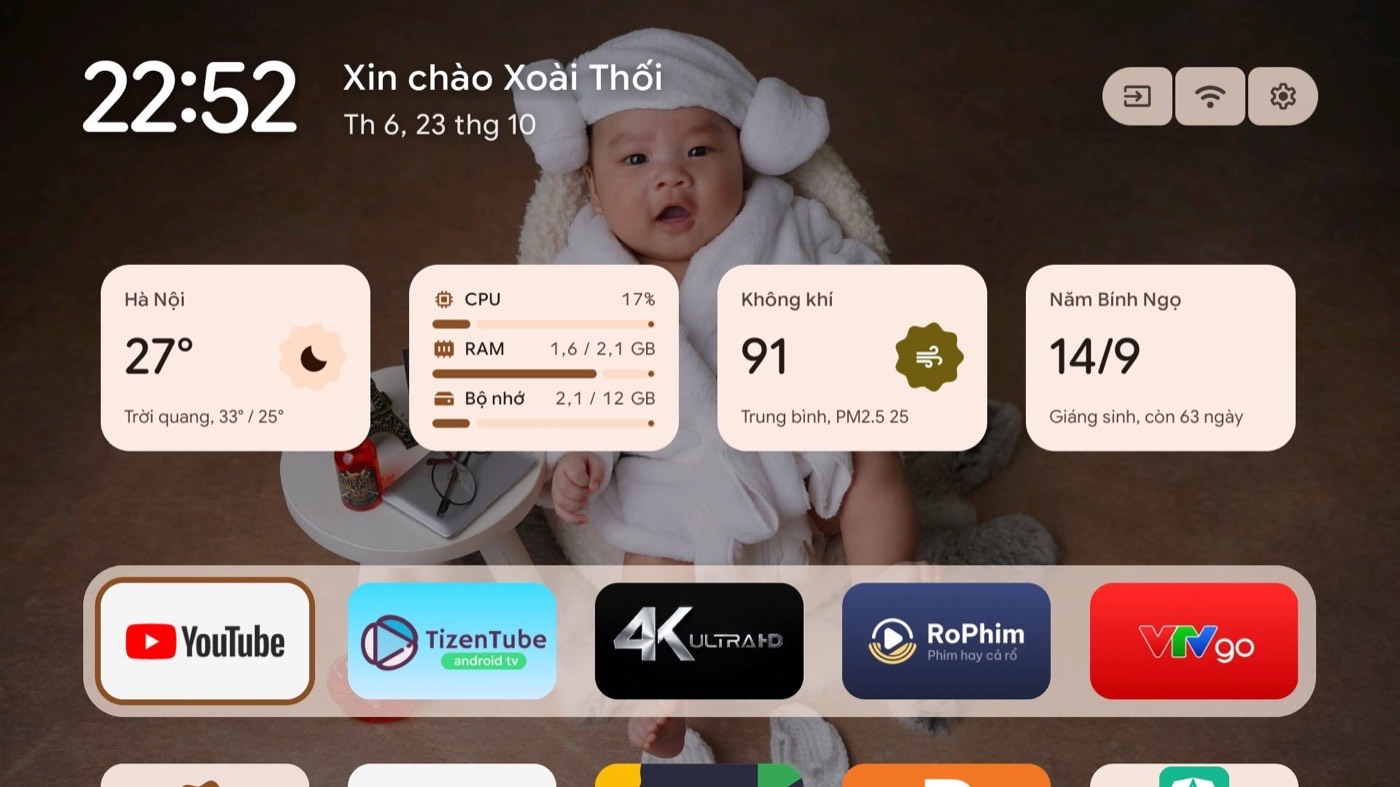
Face ID, Dark Mode, video captions, electric toothbrushes, and small curb ramps.
Today, we see these as obvious features or conveniences of modern life. But few people realize that many of them were originally created to address the needs of a relatively small group of people: those who face limitations in seeing, hearing, moving, or interacting with the world around them.
That is the essence of Accessibility.
What is interesting is that many products created to serve a minority eventually become standards for the majority.
That is why I believe businesses often look at Accessibility too narrowly. They treat it as a list of requirements to complete in order to comply with WCAG. In reality, Accessibility can be one of the strongest catalysts for product innovation.
Accessibility Is More Than Compliance
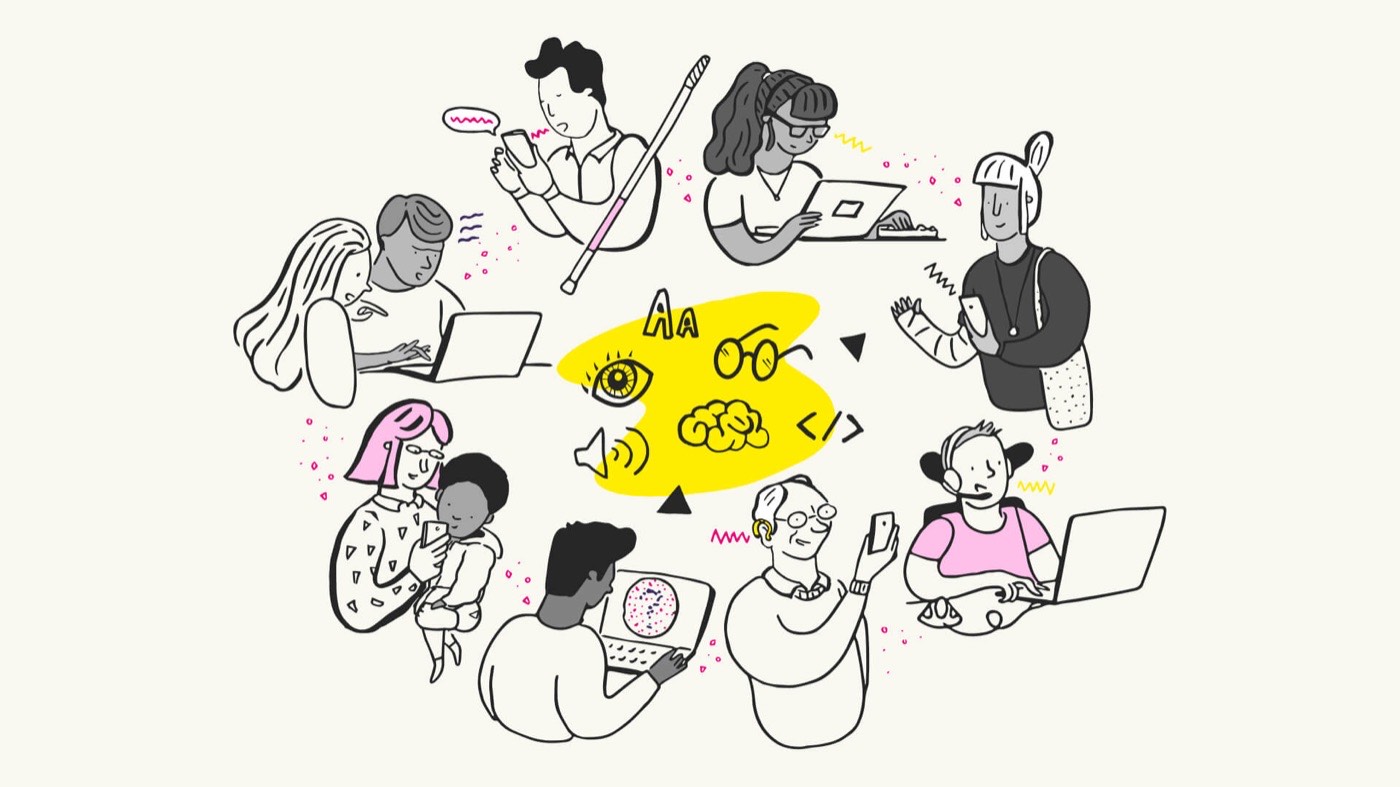
Accessibility is the ability for everyone to use a product, including people with disabilities or limitations in hearing, vision, mobility, or cognition.
In software, the most widely recognized standard is WCAG (Web Content Accessibility Guidelines), which defines three conformance levels: A, AA, and AAA.
For many businesses, WCAG is often understood as a checklist:
Sufficient color contrast.
Alt text for images.
Keyboard accessibility.
The ability to enlarge text.
Labels for screen readers.
This approach is not wrong, but it is not enough. If we stop at compliance, Accessibility becomes a cost.
But when we understand its underlying purpose, Accessibility becomes a tool for discovering needs that much of the market has yet to recognize.
Constraints Can Create Innovation
In design, we often assume that fewer constraints lead to greater creativity. In reality, the opposite can be true. The right constraints often force us to find better solutions.
Accessibility is one of those constraints.
When a product must serve older adults, people with visual impairments, people who are deaf or hard of hearing, or people with limited mobility, designers can no longer rely on familiar assumptions. They are forced to think more deeply about how people actually interact with a product.
That process often leads to ideas that might never have emerged otherwise.
When Designing for the Few Creates Value for the Many
Microsoft's Inclusive Design framework includes a well-known principle:
Solve for one. Extend to many.
The history of product development offers many examples.
Captions
Captions were initially developed to support people who are deaf or hard of hearing. Today, millions of people use them every day to:
Watch videos in public places.
Learn a foreign language.
Watch content without sound.
Follow content in noisy environments.
A solution created for a minority has become a common behavior for the majority.
Electric Toothbrushes
The first electric toothbrush was invented in 1954 to assist people with limited mobility and patients undergoing orthodontic treatment.
Today, it is considered a widely available, premium personal-care product around the world.
Walk-In Bathtubs
Walk-in bathtubs were initially designed for older adults and people who had difficulty stepping over the high sides of a conventional bathtub. The market later recognized that this design also offers:
Improved safety.
A reduced risk of falls.
Greater convenience for children and pregnant women.
The Curb-Cut Effect
One of the most famous examples of Inclusive Design is the curb ramp, originally introduced to make sidewalks more accessible to wheelchair users.
Today, some of the people who benefit most include:
Parents pushing strollers.
People pulling suitcases.
Delivery workers.
Cyclists.
A design created for a small group has improved the experience of almost everyone. This is known as the curb-cut effect.