About a year ago, people were talking extensively about Prompting, Figma AI, and Vibe Coding. Now, two words are appearing more and more often: Taste and Curation.
In simpler terms: having good taste and knowing how to choose.
In my view, this is not just a new trend. It reflects a much larger shift: as AI makes generating options almost free, the value of designers will increasingly move toward the ability to evaluate and make decisions.
This is not difficult to observe.
AI can now generate wireframes, write UX copy, suggest interactions, and produce multiple interface directions in just a few minutes.
In mature product companies—with established Design Systems, well-defined patterns, and sufficient user data—teams are already becoming leaner. PMs and engineers can independently handle many tasks that previously required designers, and sometimes even content, research, or data specialists.
You have probably also heard product teams complain that designers are becoming a “bottleneck” in the delivery process.
When AI makes experimentation and iteration dramatically faster, waiting for another design round can sometimes become the slowest part of the entire workflow.
This does not mean designers will disappear.
But I think it does mean that designers will no longer be automatically involved in every feature. Repetitive tasks will increasingly be handled by AI or other members of the team.
Designers will create the most value when a product needs a new direction, a new experience, or a decision for which there is no obvious answer.
In my view, that is where Taste becomes a competitive advantage.
So, What Is Taste—and How Do You Develop It?
Many people translate Taste as “aesthetic sense,” but I don't think that fully captures it. To me, Taste is also the ability to recognize quality—and, more importantly, to explain why one solution is better than another. AI can generate countless screens, but it does not inherently know which one is most appropriate for your users, your brand, or your company's business goals. It can offer many options. But the responsibility for making the final choice still belongs to people.
Following Taste comes Curation. If Taste helps you recognize quality, Curation is the ability to select the most appropriate solution for a specific context. A beautiful animation may not be suitable for accounting software. A colorful dashboard may not be appropriate for someone who has to look at it for eight hours a day.
Two designers can use the same AI tool and the same prompt, yet produce two completely different products. The difference is not in the AI. The difference lies in what they choose to keep—and what they choose to leave out.
So, How Do You Develop Taste?
Almost two years ago, I wrote a book about the fundamentals of design. Looking back at it now, I think it is a little simplistic :D
Even so, I still believe it contains some important ideas.
Typography, color, composition, visual principles, and art history do not lose their value simply because AI has emerged.
On the contrary, when AI can generate an endless number of options, these foundations become even more valuable. They help us recognize which options are actually worth choosing.
The important thing is not to see more. It is to UNDERSTAND.
Don't just look at a beautiful poster and scroll past it.
Don't just save another screen on Dribbble or bookmark another design on Pinterest.
Ask yourself:
Why does this composition create a sense of balance?
Why does the whitespace make the design feel more breathable?
Why does changing just one typeface alter the emotional character of the entire design?
When using a product, stop and examine why an interaction feels smooth—or why it feels frustrating.
Taste is not built through the number of images you have seen. It is built through the number of works and products you have genuinely analyzed and understood at a deeper level.
Some people might argue that Product Designers only need to study more products in their own domain. I agree that this is necessary. But these two activities serve different purposes.
Studying products helps you understand the market, the problems your project needs to solve, and the mental models users already have. It helps you understand what experiences users are likely to compare your product against.
That is all basic psychology. Art, architecture, photography, and graphic design, on the other hand, help you build an aesthetic foundation and develop your ability to observe.
One helps you solve the problems in front of you. The other helps you develop the ability to judge quality throughout your career.
If you learn only from existing products, it is easy to keep repeating what the market has already done. Art helps us recognize more universal principles—and, from there, discover new directions.
But you may very well be quietly building the thing that will help you stand out over the next 5–10 years.
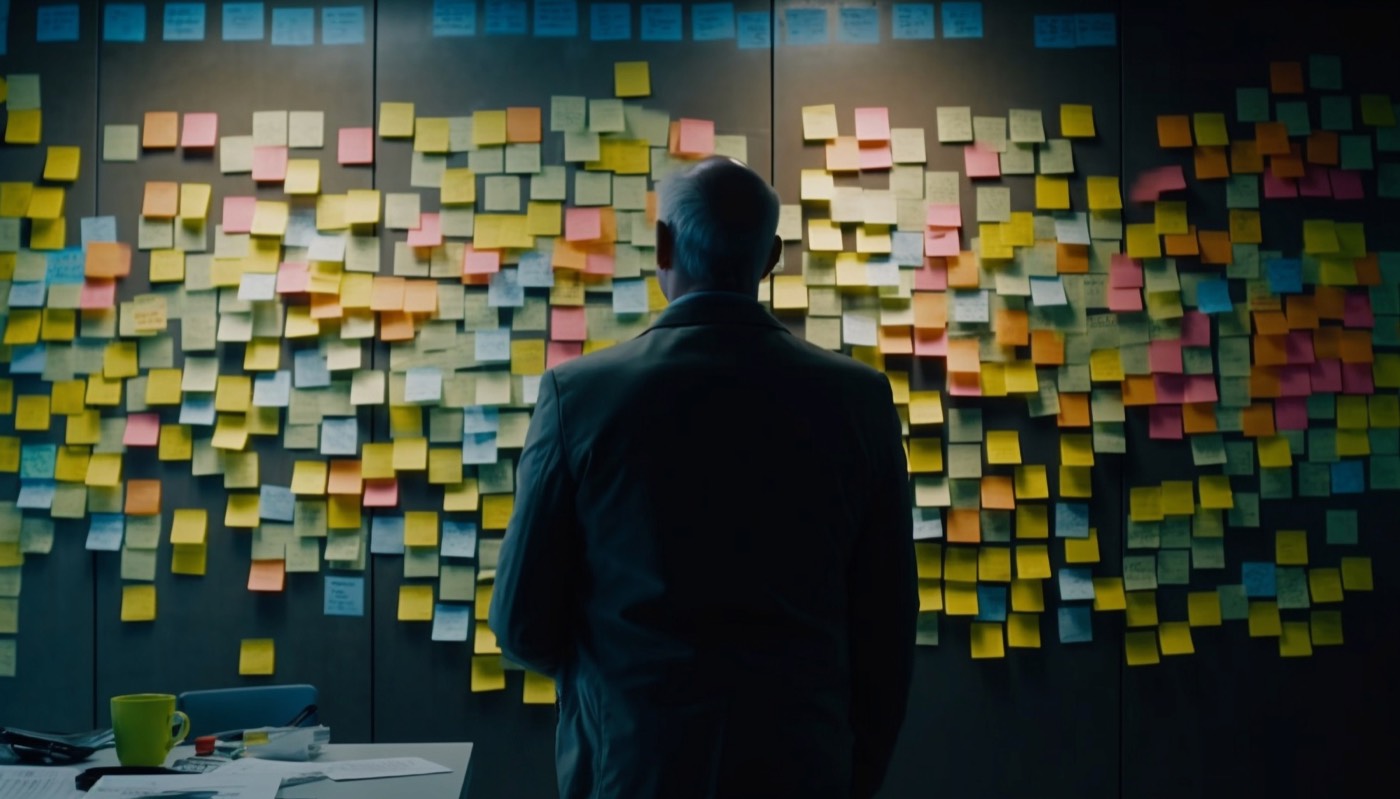
Design Systems Will Need to Capture More Than Components
I think this is also why designers should prepare for another shift.
For years, we have invested significant effort in building Design Systems.
That remains important. But perhaps it is no longer enough.
In the past, Design Systems primarily served designers and engineers.
In the future, they will also need to serve AI agents.
This means we will need to specify more than components, tokens, and variants.
We will also need to document design knowledge:
When should this pattern be used?
When should it not be used?
Which principles take priority?
What are the relevant exceptions?
In other words, designers will need to learn how to document how they reason, not just describe an interface.
Artifacts such as design.md, decision rules, and structured design knowledge may become increasingly important—perhaps even more valuable than simply adding a few more components to a Design System.
The Value of Design Is Moving Up a Level
AI is not making designers less important.
It is pushing the value of design to another level.
As the cost of generating an option continues to fall, the ability to explain, evaluate, and make decisions will become one of the greatest competitive advantages.
Perhaps in a few years, we will no longer evaluate a designer primarily by the number of screens they design or how quickly they can create a prototype.
We will evaluate them by their ability to establish principles, shape product direction, and use Taste to practice Curation.
Because ultimately, AI can generate options.
But the person who creates value is the one who knows which option is worth keeping.
So, if you have some time this weekend, try visiting an art museum, attending a photography exhibition, or simply spending time analyzing a classic piece of design—if you have the opportunity.
You may not learn a new AI tool.